About MycoBloom
MycoBloom is a science-driven mycorrhizal inoculant company focused on cultivating diverse, native arbuscular mycorrhizal fungi (AMF) for use in ecological restoration, native plant production, and low-input agricultural systems. Our work is grounded in decades of research on plant–fungal symbioses and responds directly to persistent limitations in the commercial mycorrhizal inoculant industry.
Arbuscular mycorrhizal fungi form symbiotic relationships with the roots of most terrestrial plants, enhancing nutrient acquisition, water uptake, and tolerance to environmental stress. While these fungi are widespread in natural soils, they are often depleted or absent in disturbed landscapes, intensively managed agricultural systems, and nursery-grown plant material. MycoBloom exists to help rebuild these foundational soil partnerships using ecologically appropriate fungal communities, rather than generic or poorly characterized inoculants.

Why Native Mycorrhizal Fungi Matter
MycoBloom inoculants are grown using in vivo pot culture systems, in which fungi are propagated alongside living host plants. This approach maintains the natural life cycle of AMF and preserves the biological complexity of the symbiosis. We do not use genetic modification or laboratory-only fermentation techniques.
Fungal source material is collected from native prairies, grasslands, and forested ecosystems across the United States. These collections are then carefully cultured, monitored, and expanded under controlled conditions to ensure viability and minimize contamination. The result is a living inoculum containing spores, hyphae, and colonized root fragments—components necessary for successful colonization in real soils.
Importantly, MycoBloom prioritizes species and functional diversity. Natural mycorrhizal communities are composed of many co-occurring fungi, each contributing different traits related to nutrient acquisition, drought tolerance, pathogen resistance, and host specificity. Maintaining this diversity increases the likelihood that at least some members of the community will establish and function under variable field conditions.

MycoBloom is Setting a New Standard
How MycoBloom Inoculants Are Produced
MycoBloom inoculants are grown using in vivo pot culture systems, in which fungi are propagated alongside living host plants. This approach maintains the natural life cycle of AMF and preserves the biological complexity of the symbiosis. We do not use genetic modification or laboratory-only fermentation techniques.
Fungal source material is collected from native prairies, grasslands, and forested ecosystems across the United States. These collections are then carefully cultured, monitored, and expanded under controlled conditions to ensure viability and minimize contamination. The result is a living inoculum containing spores, hyphae, and colonized root fragments—components necessary for successful colonization in real soils.
Importantly, MycoBloom prioritizes species and functional diversity. Natural mycorrhizal communities are composed of many co-occurring fungi, each contributing different traits related to nutrient acquisition, drought tolerance, pathogen resistance, and host specificity. Maintaining this diversity increases the likelihood that at least some members of the community will establish and function under variable field conditions.
Evidence, Research, and Ongoing Evaluation
MycoBloom is closely linked to academic research on mycorrhizal ecology, restoration biology, and sustainable agriculture. Our development process draws on:
Meta-analyses of AMF inoculation outcomes across greenhouse and field studies
Long-term experiments evaluating fungal persistence and plant response
Comparative studies of commercial versus native inoculants
These studies consistently show that inoculation outcomes depend on context, including soil history, plant species, management practices, and background microbial communities. No mycorrhizal inoculant—commercial or native—can overcome fundamentally unsuitable conditions.
For this reason, MycoBloom emphasizes education and realistic expectations. We provide guidance on when inoculation is likely to be beneficial, when it may have limited impact, and how management practices such as reduced tillage, appropriate host plants, and minimized chemical inputs influence success.
Product Philosophy: Diversity Over Simplicity
Many commercial inoculants rely on a small number of fungal species selected for ease of production rather than ecological relevance. In contrast, MycoBloom products are designed to more closely resemble naturally occurring mycorrhizal communities.
Our MaxDiversity formulations contain a broad suite of AMF taxa representing multiple genera and functional strategies. This approach is especially relevant for:
Native plant restorations
Prairie and grassland reconstructions
Pollinator habitat plantings
Perennial cropping systems
Low-input and organic agriculture
Rather than claiming universal performance, MycoBloom products are intended to increase the probability of successful mycorrhizal establishment, particularly in systems where soils have been degraded, sterilized, or biologically simplified.
Transparency and Limitations
MycoBloom is committed to transparency in an industry where product contents and performance claims are often unclear. We openly communicate:
How our fungi are sourced and propagated
The ecological contexts where inoculation is most appropriate
The limitations and uncertainties inherent in working with living soil organisms
We do not claim that MycoBloom inoculants are universally effective, nor that they will always increase yields or plant growth. Instead, we position them as tools that can support plant–soil relationships when used thoughtfully and in the right settings.
-
Both plants and mycorrhizal fungi possess the remarkable ability to adapt to specific soil conditions within their respective local environments. This adaptation ensures their optimal performance and interaction. However, it is important to acknowledge that the effectiveness of a particular mycorrhizal fungus may be limited when introduced to a non-local environment, as seen in the example of a beneficial fungus from a potato field in Utah not thriving in a prairie restoration in Missouri. In such instances, the introduced fungus may fail to support plant growth adequately.
This lack of response can be attributed to various factors. Firstly, the introduced fungus may face challenges in effectively acquiring and delivering nutrients from the new soils. Different soil compositions and nutrient availability can hinder the fungus's ability to establish successful symbiotic associations with the plant roots, thereby diminishing its positive impact on plant growth.
Secondly, mycorrhizal fungi can be sensitive to specific soil conditions, such as excessive moisture, drought, high acidity, or other unsuitable environmental factors. If the soil conditions in the new environment are significantly different from those to which the fungus is adapted, it may struggle to survive or function optimally. This limited adaptability of some fungal species can impede their ability to thrive in diverse soil conditions and respond effectively to the needs of the plants they associate with.
While certain mycorrhizal fungal species exhibit a more generalist nature and can adapt to different environments, many fungi face challenges in swiftly adjusting to new conditions. Their adaptability may be slower, requiring time to acclimate or potentially resulting in suboptimal performance when introduced to non-local environments.
Recognizing the complexities of mycorrhizal fungal adaptation and compatibility with different plants and soil conditions is crucial for successful applications in agriculture, restoration projects, and ecosystem management. Careful selection of locally adapted mycorrhizal fungi or strains that demonstrate broader adaptability can improve the likelihood of positive outcomes when introducing these symbiotic associations to new environments.
-
The diversity of arbuscular mycorrhizal (AM) fungi, is essential for several reasons:
Plant nutrient acquisition: Different species of AM fungi have varying abilities to uptake and transport nutrients, particularly phosphorus, from the soil to plant roots. Greater AM fungal diversity increases the likelihood of accessing a broader range of soil nutrient pools and enhances nutrient availability to plants. This improves plant growth, health, and productivity, especially in nutrient-limited environments.
Ecosystem functioning: AM fungi are key players in nutrient cycling and ecosystem functioning. They form symbiotic associations with the roots of the majority of plant species, contributing to nutrient exchange, carbon sequestration, and soil structure formation. AM fungal diversity enhances nutrient cycling efficiency, nutrient redistribution within ecosystems, and overall ecosystem resilience.
Plant community dynamics: AM fungi can influence plant community dynamics by mediating competition, facilitation, and succession processes. Different AM fungal species may have preferences for specific plant hosts, and their presence or absence can impact plant species composition and diversity. Higher AM fungal diversity can support a more diverse and stable plant community.
Stress tolerance and resilience: AM fungi can enhance plant tolerance to various stresses, including drought, salinity, heavy metals, and pathogens. Different AM fungal species exhibit varying levels of stress tolerance and functional traits, allowing plants to adapt and survive under challenging environmental conditions. Greater AM fungal diversity increases the likelihood of hosting stress-tolerant fungal species, thereby enhancing plant resilience.
Restoration and ecosystem rehabilitation: AM fungi play a crucial role in ecological restoration efforts. When restoring degraded or disturbed ecosystems, reintroducing a diverse range of AM fungal species can promote plant establishment, growth, and ecosystem recovery. AM fungal diversity can enhance the success of ecological restoration projects by improving nutrient availability, facilitating plant establishment, and promoting ecosystem functioning.
Biodiversity conservation: AM fungi contribute to overall biodiversity, as they represent a diverse group of organisms with unique ecological functions. Conserving AM fungal diversity is essential for preserving ecosystem integrity and the interconnectedness of species within ecosystems.
In summary, AM fungal diversity is critical for nutrient acquisition, ecosystem functioning, plant community dynamics, stress tolerance, restoration efforts, and biodiversity conservation. Understanding and conserving AM fungal diversity are vital for maintaining the health, productivity, and sustainability of ecosystems.
-
MycoBloom's fungi are derived from carefully selected sources in the United States, primarily consisting of high-quality old-growth forests and grasslands. The company emphasizes the importance of preserving these valuable ecosystems and aims to provide fungi that are well-suited to specific regional and ecosystem conditions.
MycoBloom's primary fungal blend has been meticulously selected to excel in diverse environments, spanning from prairies to forests and from gardens to potted plants. This carefully curated blend of fungi exhibits exceptional adaptability, allowing it to thrive across a wide range of conditions.
By prioritizing versatility, MycoBloom ensures that their fungal blend can effectively establish symbiotic relationships with various plant species, regardless of the specific environment they are cultivated in. Whether it's a natural prairie landscape, a lush forest setting, or a controlled garden or potted plant arrangement, the chosen fungal blend consistently delivers outstanding performance.
The comprehensive nature of MycoBloom's primary fungal blend guarantees that it can meet the needs of different customers, including gardeners, landscapers, and indoor plant enthusiasts. It provides a reliable and effective solution that promotes plant health and vitality across various settings.
By choosing MycoBloom's primary fungal blend, customers can rest assured that they are receiving a versatile and high-performing product that is capable of supporting plant growth and fostering thriving ecosystems, regardless of the specific environmental conditions in which it is applied.
-
To cater to the diverse needs of customers, MycoBloom offers a range of regional and ecosystem-specific mixtures of mycorrhizal fungi. These specialized blends include options such as the Midwest Mixedgrass Prairie blend, the Great Lakes Fungi blend, and the Eastern Forest blend. Each mixture is tailored to the unique characteristics and requirements of the respective regions, ensuring a higher likelihood of success when applied to specific environments.
For more detailed information about the locally adapted and regionally specific mycorrhizal fungal mixtures available from MycoBloom, feel free to contact them directly. Their knowledgeable team will provide you with further assistance and guidance based on your specific needs and geographic location.
-
MycoBloom prioritizes natural and non-GMO relationships by carefully selecting native host plants to cultivate our arbuscular mycorrhizal fungi using in vivo cultivation practices. This approach avoids the use of GMO plant hosts, promotes symbiotic growth and ecological balance, and upholds sustainable practices. Our in vivo cultivation process provides an environment that mirrors thriving ecosystems, ensuring the effectiveness and authenticity of our inoculants.
The following steps outline how MycoBloom grows fungi:
Source Selection: MycoBloom carefully selects high-quality fungal strains from native habitats, such as pristine prairies and old-growth forests in the United States. These sources are chosen for their ecological relevance and represent the diversity of fungi found in different regions.
Isolation and Propagation: The selected fungal strains are isolated and cultured in a laboratory setting. This involves transferring a small portion of the fungal material to a suitable growth medium that provides the necessary nutrients and conditions for the fungi to thrive. MycoBloom utilizes techniques to ensure the purity and vitality of the isolated strains.
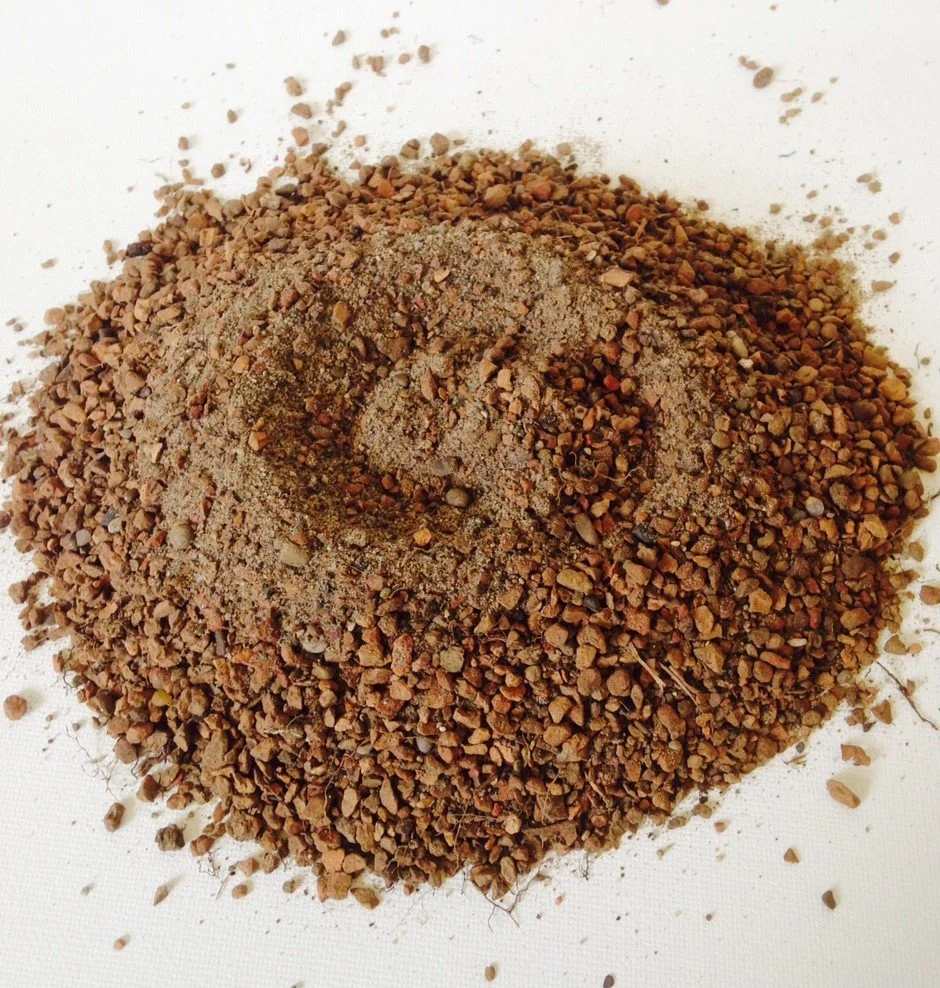
Substrate Preparation: MycoBloom prepares specific substrates or growth media that are conducive to the growth of the target fungi. These substrates may consist of organic materials, minerals, sand and calcined clay necessary for fungal nutrition and development.
Inoculation: The prepared substrate is inoculated with the selected fungal strains. This can be done by introducing the fungal mycelium or spores to the substrate, allowing the fungi to colonize and establish a presence.
Optimal Plant Host Selection to Nuture Natural and Non-GMO Relationships: A we recognize that arbuscular mycorrhizal fungi rely on host plants to fulfill their reproductive cycle. In line with our commitment to ecological integrity and genetic diversity, we take great care in selecting native and non-GMO host plants for cultivating our fungi. This deliberate choice sets us apart from the majority of in vitro grown fungi, as our in vivo cultivation process completely avoids the use of GMO plant hosts.
Cultivation: MycoBloom provides optimal conditions for the fungi to grow and develop. This includes maintaining suitable temperature, humidity, and light conditions throughout the cultivation process. The fungi are given ample time to establish and proliferate within the substrate, promoting their growth and multiplication.
Quality Control: MycoBloom implements rigorous quality control measures to ensure the viability, purity, and effectiveness of the cultivated fungi. This includes regular monitoring, testing, and evaluation of the fungal cultures to ensure they meet the company's high standards.
By following these precise cultivation practices, MycoBloom is able to produce a diverse range of high-quality fungal inoculants that are tailored to promote plant growth, enhance soil quality, and contribute to ecological sustainability.
-
In contrast to MycoBloom’s in vivo cultivation, in vitro AM fungi cultivation involves growing fungi in controlled laboratory conditions outside of their natural host plants. Under in vitro methods, fungi are cultivated by plants (typically GMO carrots) that have been genetically modified to form only roots and no shoots. Typically, in vitro cultivation of AM fungi is carried out using soilless media on artificial growth substrates.
While in vitro grown fungi provide valuable opportunities for detailed investigations into the physiological, genetic, and biochemical aspects of AM fungi, recent scientific findings suggest that these cultivation methods can inadvertently select for less beneficial and less viable fungal strains. Moreover, only a limited number of native AM fungal species can thrive under these artificial conditions, usually encompassing the 5-6 most common AM fungal species found in many commercial products.
Recognizing the limitations and potential drawbacks of in vitro cultivation, MycoBloom has chosen not to rely on in vitro cultivation. Instead, the company focuses on cultivating mycorrhizae using more natural and ecologically relevant in vivo pot culture methods. By utilizing pot cultures and maintaining the symbiotic relationship between AM fungi and their host plants, MycoBloom ensures a more authentic and effective representation of the fungi's natural behavior and benefits.
By prioritizing in vivo pot culture methods over in vitro cultivation plates, MycoBloom maintains a commitment to providing mycorrhizal products that reflect the true diversity, viability, and effectiveness of native AM fungi. This approach ensures that the cultivated fungi retain their inherent ecological relevance and contribute to optimal plant growth, soil health, and ecosystem sustainability.
Tell me more

Meet the Founder
Liz Koziol
MycoBloom was founded in 2015 by Dr. Liz Koziol, a plant–fungal ecologist whose research focuses on mycorrhizal diversity, inoculation effectiveness, and the translation of ecological theory into applied restoration and agricultural practice. The program grew out of academic work evaluating why many commercial inoculants fail and how native fungal communities can be more effectively integrated into real-world systems.
Today, MycoBloom operates at the intersection of research, conservation, and applied land management. We collaborate with restoration practitioners, growers, land stewards, and scientists who share a commitment to rebuilding functional soil ecosystems.
